
A muscle car is a sedan or coupe from the 1960s and 1970s, featuring a huge, powerful engine. It was relatively affordable for the masses and originated in the United States. Thanks to their rugged design and simplicity, as well as the numerous vintage car enthusiasts, quite a number of muscle cars have survived to this day.
For those who prefer the rare and unusual, we’ve compiled a selection of cars that, while they were certainly part of that class, are little known in Florida and other U.S. states because they are right-hand-drive and originated in Australia.
Incidentally, at one time, some auto journalists even grudgingly admitted that American icons like the Mustang and Corvette would have felt uncomfortable competing directly if they had been imported into the United States.
Here they are, the muscle cars you likely didn’t know existed.
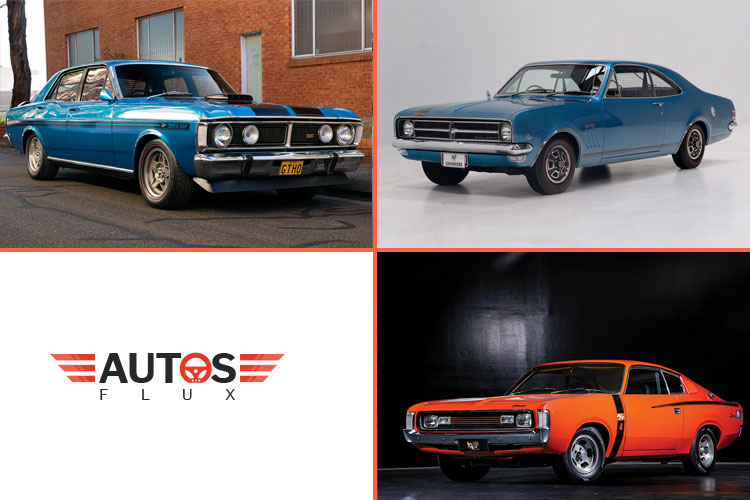
Holden Monaro GTS 327
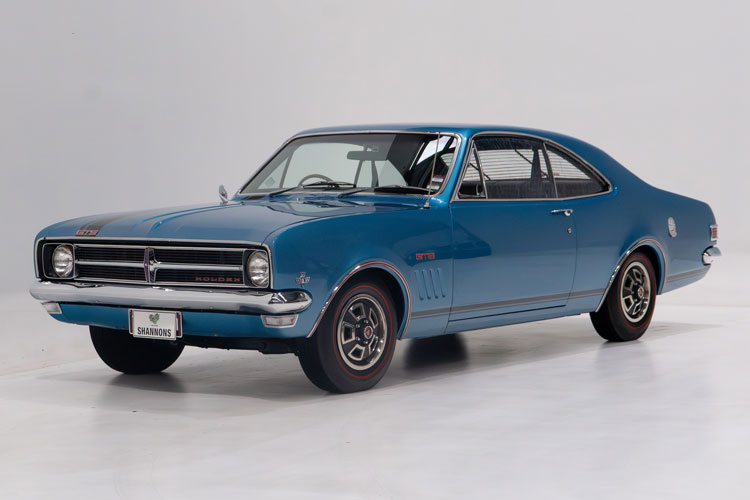
This coupe was perhaps the first attempt by the Australian auto industry in the high-performance sports car class. Under the hood was a Chevrolet 327-cubic-inch V8 producing 250 horsepower, enabling a 0-60 time of 7.6 seconds and a top speed of 125 mph.
The Monaro’s sleek silhouette was stylistically closer to European cars than its American contemporaries, the confirmation of the facts I found at the Florida car dealership, Autoland Jax. However, unlike the Camaro or Chevelle, it was far less aggressive but lighter. A locking rear axle for confident launches, and a four-speed manual instead of a brake-intensive automatic, allowed the Monaro to secure a solid podium finish in the Bathurst 500 in its debut year of 1968.
Ford Falcon GT HO Phase III
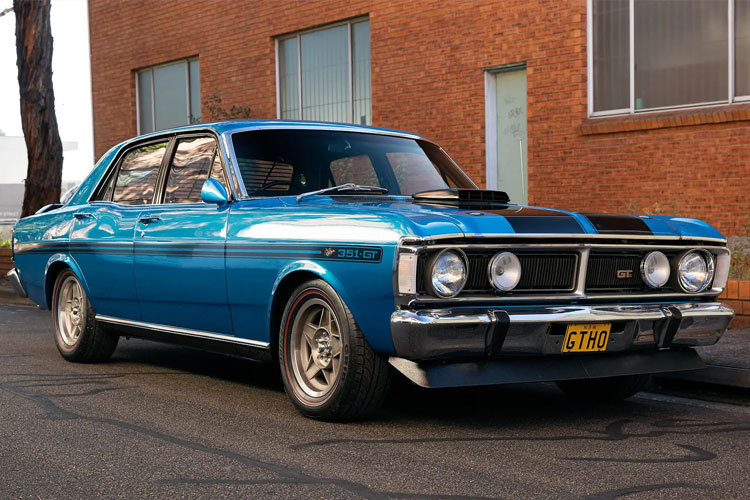
Built for racing, this four-door sedan could easily have claimed the title of the fastest car of its class of its time. During road testing, the Falcon reached a top speed of 142 mph. This model was also street-legal. Under the hood was a thoroughly tuned 351-cubic-inch Cleveland-series V8, with various estimates placing its output between 360 and 380 horsepower, though the official figures were a modest 300. The modifications included a high-performance Holley carburetor, a rear differential with a locking cross-axle, and a heavy-duty manual transmission, along with upgraded brakes and a 136-liter fuel tank.
Externally, the main distinguishing features of the “evil” Falcon were the functional hood scoop and the bright, “poisonous” paint with contrasting stripes, likely copied from local fauna that is not friendly to tourists or locals. Today, prices for the HO Phase III version at auction exceed $ one million.
Chrysler Valiant Charger R/T E49
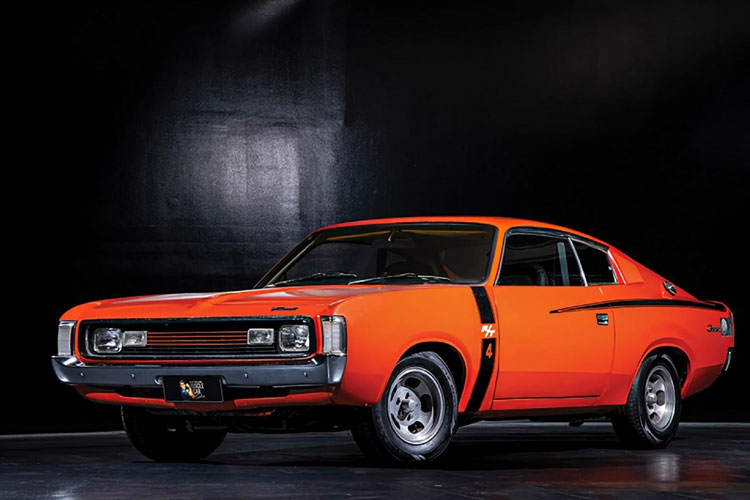
Does a muscle car necessarily have to have a V8 under the hood? Well, no. In 1972, Chrysler launched the R/T E49, the fastest six-cylinder car of its time. Its 265-cubic-inch inline-six with hemispherical combustion chambers (Hemi) and three two-barrel Weber carburetors produced 305 hp and 325 lb. ft.
With a four-speed manual, the car accelerated from 0-60 in 6.1 seconds, which is fast even by today’s standards. A key factor was its light weight (2,866 lb). Unlike the two previous entries, the Valiant used a fully developed engine built specifically by Chrysler Australia, rather than a modified off-the-shelf unit. Needless to say, on the racetrack, the combination of high power and light weight made life difficult for all its competitors.
While these right-hand-drive beasts shared the same loud, rebellious spirit as their American cousins, they remain hidden gems even among dedicated muscle car fans. Each one carries the DNA of an era when sheer power, mechanical simplicity, and raw competition ruled the road.
Today, you’re more likely to find classic car enthusiasts hunting for these rare right-hand-drive legends at auctions or specialized meets in places like Florida, where the sun, the asphalt, and a love for horsepower never go out of style.
And for those who want to feel that same power and style without venturing too far into the unknown, there are always plenty of more familiar muscle cars waiting at U.S. used car dealerships.