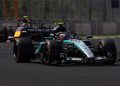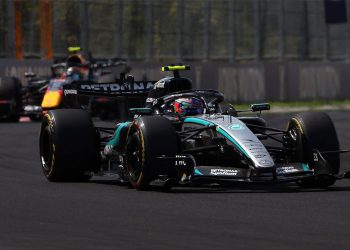

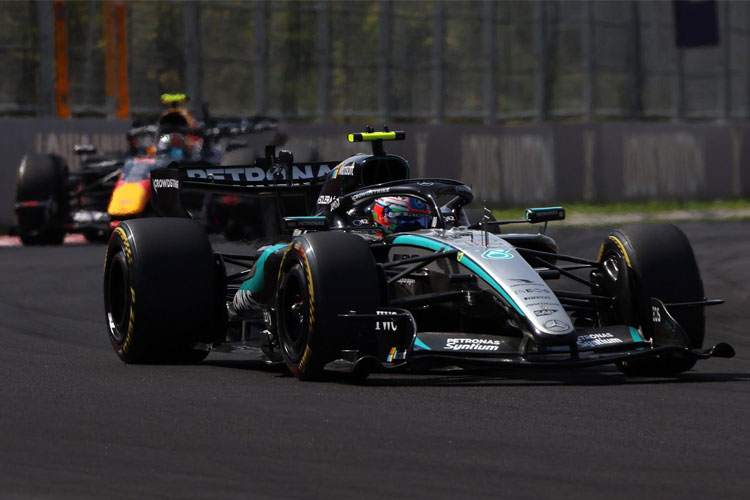
Formula 1 has been around for over seven decades, and in that time it’s produced hundreds of drivers who could genuinely be called great. Narrowing that down to just five is never going to be a clean, uncontroversial exercise — every fan has their own criteria, whether it’s raw pace, championships, race wins, or how a driver performed against the machinery they had. Still, when I look at the full sweep of F1 history, five names consistently rise above the rest. Here’s my breakdown of the greatest F1 drivers ever, and why each one earns their spot.
1. Lewis Hamilton
Lewis Hamilton sits at the top of this list, and it’s hard to argue otherwise when you look at the numbers. He’s tied for the most world championships in history with seven, and he holds the all-time record for pole positions and race wins. What sets Hamilton apart isn’t just longevity — it’s that he’s been competitive across multiple eras of the sport, from the V8 era through the turbo-hybrid revolution, adapting his driving style each time the technical rules shifted underneath him.
Hamilton’s rise from a working-class background in Stevenage to the pinnacle of a sport historically dominated by wealth and privilege is itself part of what makes his career remarkable. He’s also used his platform more than most drivers to speak on issues of diversity and equality in motorsport, which has broadened his impact beyond the track. On pure numbers and cultural influence combined, he’s the easy pick for the top spot.
2. Michael Schumacher
Before Hamilton rewrote the record books, Michael Schumacher was the benchmark every other driver was measured against. Schumacher won seven world championships, including five consecutive titles with Ferrari from 2000 to 2004, a run of dominance that reshaped how the sport thought about driver preparation, fitness, and team-building.
Schumacher didn’t just drive fast — he was known for his relentless work ethic and his ability to extract every ounce of performance from a car through feedback and setup work with his engineers. He effectively turned Ferrari from a struggling team into the most successful outfit of its generation. His aggressive, occasionally controversial racing style drew criticism at times, but his impact on the sport’s competitive standards is undeniable.
3. Juan Manuel Fangio
It might surprise newer fans to see a name from the 1950s this high on the list, but Juan Manuel Fangio’s numbers are almost absurd when you consider the era he raced in. Fangio won five world championships in just seven full seasons of competition, driving for four different manufacturers — Alfa Romeo, Mercedes, Ferrari, and Maserati — and winning titles with all of them.
Racing in the 1950s meant driving without modern safety equipment, on tracks with none of today’s runoff areas or barriers, in cars that were mechanically unreliable by today’s standards. Fangio’s win rate remains one of the best in F1 history, and the fact that he could jump between rival teams and immediately win championships speaks to a level of natural skill that transcended any single car. Many historians still consider him the greatest pure racer the sport has ever seen.
4. Ayrton Senna
Ayrton Senna’s career was cut short by his death at the 1994 San Marino Grand Prix, but in the years before that he built a reputation as perhaps the most naturally gifted qualifier and wet-weather driver F1 has ever produced. Senna won three world championships with McLaren and was known for a level of intensity and commitment behind the wheel that bordered on spiritual — he often spoke about racing in a near-meditative state.
His rivalry with teammate Alain Prost is one of the defining storylines in F1 history, a clash of driving philosophies that pushed both men to extraordinary heights. Senna’s qualifying pace was so far ahead of the field at points in his career that his pole position record stood for over a decade. Even three decades after his death, his name still carries a weight in motorsport that few others match.
5. Max Verstappen
Rounding out the list is the driver actively rewriting the record books today. Max Verstappen became F1’s youngest ever driver when he debuted with Toro Rosso at 17, and he’s since gone on to establish himself as one of the most dominant forces the sport has seen, with multiple world championships and record-breaking single-season win totals with Red Bull.
What makes Verstappen stand out is his uncompromising, no-mistakes approach to racing, paired with a raw aggression reminiscent of Senna’s era. He’s shown he can win in dominant cars and drag underperforming ones up the grid through sheer driving talent. With his career still very much in progress, there’s a real chance he climbs even higher on lists like this one in the years ahead.
Final Thoughts
Ranking the greatest F1 drivers of all time will always spark debate, and rightly so — comparing eras with completely different cars, safety standards, and levels of competition is never an exact science. But Hamilton, Schumacher, Fangio, Senna, and Verstappen represent five different eras of F1 excellence, each redefining what was possible in the car they were given. Whichever order you’d put them in, these are the names that come up again and again when fans and experts talk about the best to ever do it.