
Beyond just changing how a truck looks, bumpers play a big role in shielding the vital parts of a vehicle. Drivers who take their vehicles into construction sites, farms, transport routes, or off-road trails have to pick a bumper that handles tough working conditions and bad weather. Picking the wrong bumper can easily block important vehicle parts or fail to give the truck enough protection.
Looking at Iron Ox Products’ details on bumpers, several important factors stand out for buyers, including strong steel builds, proper vehicle fit, lighting options, and winch setup.
1. Decide on your truck’s key use
Different work environments and driving habits call for very different bumper styles. Someone who spends most of their time on smooth highways has completely different needs than a driver navigating construction zones, farmland, or rough terrain.
Think about how you use your vehicle every day:
- Driving: A good bumper here protects the truck without adding too much extra weight or hurting how the vehicle handles.
- Construction: Trucks moving through busy job sites around heavy materials need a tough bumper that can take regular impacts.
- Agriculture: Farm animals, heavy gates, and tractors easily dent standard bumpers, and farm tracks usually involve very uneven ground.
- Off-road: Here, you need to focus much more on ground clearance, approach angles, and having proper recovery points.
- Towing: The rear bumper must let you reach the hitch and towing connections without any hassle.
Write down your main daily tasks so you can judge bumpers based on what they actually do, not just how they look.
2. Recognise the characteristics of different materials
Each bumper material comes with its own level of strength, weight, rust resistance, and upkeep needs.
- Steel: Manufacturers use steel a lot for heavy-duty bumpers because it is tough and survives hard hits. It works great for trucks that spend heavy hours on job sites and rough outdoor terrain. On the downside, steel adds a lot of weight. Check the maker’s weight specs carefully to make sure your truck’s suspension and weight limits can handle it safely.
- Aluminium: Being much lighter than steel, aluminium also resists rust naturally. This makes it a smart pick for owners who want to keep extra weight off their truck. Depending on the alloy grade, metal thickness, and how it is built, strength levels vary quite a bit. Because of this, two aluminium bumpers might not offer the exact same level of crash protection.
- Plastic/Composite: Most factory trucks come with plastic or composite bumper covers. While they look clean and stop minor surface scratches, they do not give you the real structural strength of a metal bumper. When comparing your options, look at how well the material actually shields the truck first.
3. Decide on front and rear bumper type
Because front and rear bumpers do completely different jobs, you have to check their features separately.
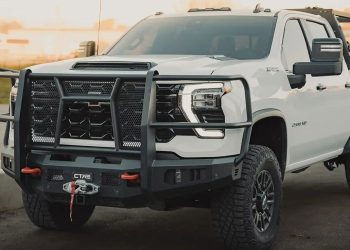
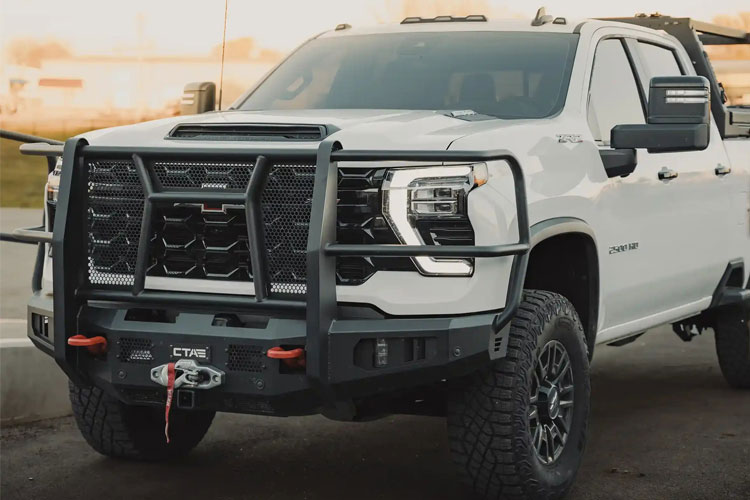
Front: A front bumper guards your grille, headlights, and the forward engine area. Depending on the design you choose, it might include:
- Heavy impact strength.
- Strong recovery shackles or attachment points.
- Cutouts for extra lights.
- Space to mount a winch.
- Brackets for factory sensors and front cameras.
If you do a lot of off-road recovery, getting a winch-ready bumper helps a lot. Just make sure the winch, mounting hardware, and your truck’s frame points all match up properly.
Rear: Rear bumpers have to work smoothly alongside your towing hitch, backup sensors, and cameras. Before buying a rear bumper, check these details:
- Easy reach to the hitch and receiver tube.
- Clear space for the trailer wiring plug.
- An unblocked view for the backup camera.
- Proper slots for parking sensors.
- Full visibility for the licence plate.
- Enough room for the tailgate to drop down fully.
Even the strongest rear bumper becomes a headache if it blocks your tailgate or makes your sensors go crazy.
4. Confirm vehicle suitability
Making sure a bumper actually fits your exact truck model is a must. Companies build bumpers for specific brands, models, and trim setups. Even within the exact same truck model, bumpers often will not swap over because of changes in frame brackets, body width, or factory sensors.
Gather these exact details about your truck first:
- Brand and model name.
- Manufacturing year.
- Cab size and configuration.
- Bed length.
- Two-wheel or four-wheel drive layout (if it affects frame mounts).
- Existing parking sensors, radar units, or cameras.
Also, check whether the bumper bolts straight onto factory frame mounts or if a shop will need to cut and modify parts of the truck. When installed right, the bumper sits cleanly and lets every factory system keep working. Never assume a bumper fits every trim level just because the label mentions your truck’s model name.
5. Assess winch and recovery needs
If you regularly drive through deep mud, loose sand, heavy snow, or remote areas far from help, having recovery gear on board is essential. A winch-ready bumper lets you bolt on a recovery winch securely. Before picking one out, look closely at:
- Your truck’s total loaded weight.
- The winch’s maximum pulling capacity.
- How thick and strong the winch mounting plate is.
- Battery and wiring needs for the winch motor.
- Whether the fairlead works with synthetic rope or steel cable.
- How easily you can reach the winch clutch and controls for maintenance.
Never pick a winch just because it looks cool or fits a general truck class. Follow the winch maker’s weight ratings strictly and use proper recovery straps and shackles. Vehicle recovery carries real danger. Always stick to rated gear, follow safe winching habits, and keep everyone well clear of tight recovery cables.
6. Analyse lighting and visibility
Built-in LED light bars or pods help a ton when you work early in the morning or late at night. Extra lights also make your truck easier to see while loading cargo, hooking up trailers, or working in dark yards. Before adding bumper lights, think through these points:
- Light brightness and beam spread.
- Solid mounting brackets.
- Safe routing and sleeves for the wiring harness.
- Water and dust sealing ratings.
- Where the dash switches will go.
- Local road laws on auxiliary lights.
While extra light makes night work safer, poorly aimed or overly bright lights can blind oncoming drivers or create bad glare off your own hood.
7. Assess appearance and weather defence
The finish on a bumper does more than just look nice; it seals the metal against rain, mud, road grime, and daily wear. Most heavy-duty metal bumpers get a powder-coated finish because it creates a thick, tough outer shell. Still, how well the metal was prepped before coating and how you care for it decides how long it lasts.
To keep your bumper in good shape:
- Wash off mud and winter road salt regularly.
- Check the outer shell and hidden mounting brackets.
- Touch up chips or deep scratches right away so rust cannot start.
- Watch for early signs of peeling or corrosion.
- Follow the manufacturer’s care and washing instructions.
Even the best powder coat can get chipped by flying rocks. Doing quick visual checks now and then lets you fix small scratches before rust spreads.
8. Analyse weight and its impact on vehicle performance
Bolting on a heavy bumper shifts your truck’s centre of gravity, especially once you add a heavy winch, off-road lights, or towing gear. Look at your truck’s Gross Vehicle Weight Rating (GVWR) along with the front and rear axle weight limits. Checking these numbers tells you how much gear you can safely carry without overloading the frame. Hanging too much weight off the front nose affects how the suspension compresses, how fast the truck stops, and how the steering feels. If a heavy steel bumper makes the front end sag, talk to a suspension shop about upgrading your front springs or shocks.
9. Ensure correct installation and subsequent examination
Buying a great bumper only works out if it gets bolted onto the truck properly. A sloppy installation can throw off panel gaps and stop safety sensors from working right.
A good installer will:
- Double-check that the bumper matches your exact truck trim.
- Use the right grade bolts and mounting brackets.
- Tighten every bolt to the exact torque spec.
- Check and protect all light and winch wiring.
- Test parking sensors, radar, and cameras after mounting.
- Make sure tow hooks and hitch receivers remain easy to reach.
Make a habit of checking the mounting bolts periodically, especially after rough off-road trips or heavy job-site use.
Conclusions
Looking past price tags and styling, picking the right heavy-duty truck bumper comes down to practical details. You have to weigh vehicle fit, metal strength, daily work tasks, winch setups, extra lighting, weather finishes, and total weight together. Getting that balance right gives you a bumper that protects your truck well without getting in the way of normal driving. Taking time to check these factors early prevents costly fitment headaches and keeps your truck working safely and reliably for years.